

Renting a storage unit in Pembroke should feel simple. You pick a size, back the truck up, and put your household goods somewhere safe while you move or declutter. Still, every facility has rules about what not to store in storage unit spaces—and those rules protect you, your neighbors, and the property.
At Sid’s Self Storage, those expectations live in your rental agreement. We do not publish a separate public “banned items” page, because the lease is the official guide. If you ever need the current list confirmed, call (912) 574-4473 or email sid@sidwashere.com. Below is an industry-standard overview of what most self-storage leases prohibit, plus what you can store in our drive-up units.
Why Storage Unit Rules Matter in Pembroke
Self storage works because everyone shares the same facility. Your unit sits next to someone else’s furniture, tools, and seasonal boxes. One careless choice—a gas can, a bag of groceries, or a space heater—can put a whole row of units at risk.
Industry operators take this seriously. Modern Storage Media notes that managers review prohibited-item lists with new tenants because flammables, toxins, and perishables can cause fires, pollution, or pest problems. Inside Self Storage has long warned that hazardous-materials cleanups at storage sites can cost tens of thousands of dollars, which is why leases almost always ban toxic substances.
A quick read of what not to store in storage unit guidelines before move-in is part of being a good neighbor in Bryan County.
What Not to Store in Storage Unit Spaces: Hazards
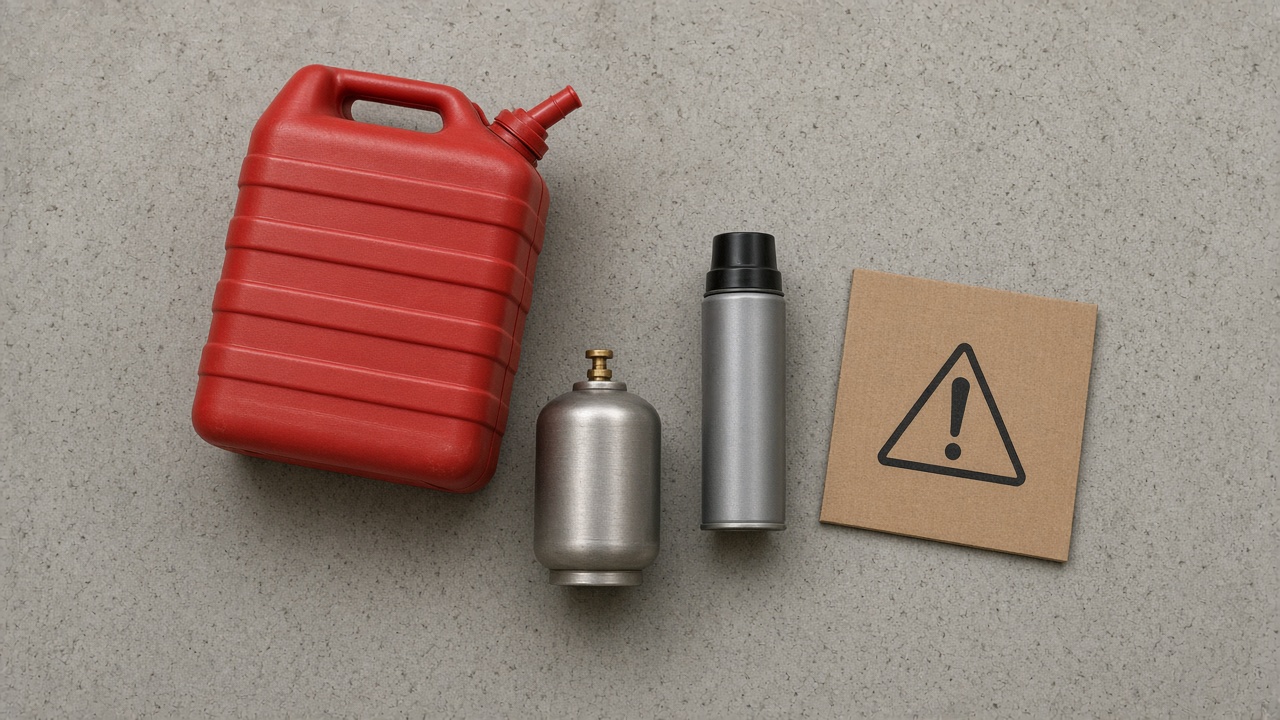
Flammables, chemicals, and explosives
Across the industry, the first category of prohibited items storage unit leases ban is anything that can ignite, corrode, explode, or contaminate. Common examples include:
- Gasoline, diesel, and other fuels
- Propane tanks and other compressed gases
- Kerosene, lamp oil, and motor oil
- Paint, paint thinner, solvents, and many household chemicals
- Acids, corrosives, fertilizers, and pesticides
- Fireworks, explosives, and similar materials
- Hazardous, toxic, or biological waste
OSHA’s flammable liquids standard (29 CFR 1910.106) explains how flammable liquids must be stored in workplaces—closed containers, ventilation, and separation from ignition sources. A locked storage unit is not a flammables cabinet. Leaving a half-full gas can next to cardboard boxes on a hot Georgia afternoon is exactly what these self storage safety rules are meant to prevent.
Fumes travel. Heat builds up. A small leak can become a big problem for neighboring units. That is why hazardous materials storage is almost always barred in the rental agreement.
Practical tip: If you are storing a lawnmower, grill, or generator, drain the fuel and remove propane tanks before you roll anything into the unit.
Lithium batteries (check your agreement)
The Self Storage Association has highlighted another modern hazard: lithium-ion batteries. In a June 2026 SSA article, operators note that power banks, e-bikes, scooters, and tool packs have been linked to facility fires—even when the battery was not plugged in. We will not invent a Sid’s-specific battery policy here. Check your rental agreement before you store spare batteries or damaged chargers, and call us if you are unsure.
Perishables, Living Things, and Illegal Items
Food does not belong in a storage unit—even “sealed” pantry items. Perishables spoil, scents travel, and pests follow. Modern Storage Media recounts facilities that faced expensive odor and pest cleanups after tenants left food products behind. Keep fresh food, pet food, and greasy trash at home. That is one of the simplest storage unit rules you can follow.
Self storage is for belongings, not for people, pets, or plants that need care. Industry guidance prohibits living or sleeping in a unit, storing animals, and keeping living plants that generate moisture. Units are not dwellings. If you need temporary housing while you wait on a Pembroke GA new home, use real lodging—and storage only for your stuff.
You also may not store stolen property, illegal drugs, or other contraband. Many operators treat firearms and ammunition with extra caution; some leases ban ammo and explosives outright. When the question is what not to store in storage unit spaces involving weapons or ammo, read your agreement and call (912) 574-4473 before move-in.
Wet items matter too—moisture grows mold. Dry furniture and boxes thoroughly before you store them. Our guide on how to pack a storage unit covers labeling, stacking, and leaving an aisle.
What You Can Store at Sid’s Self Storage
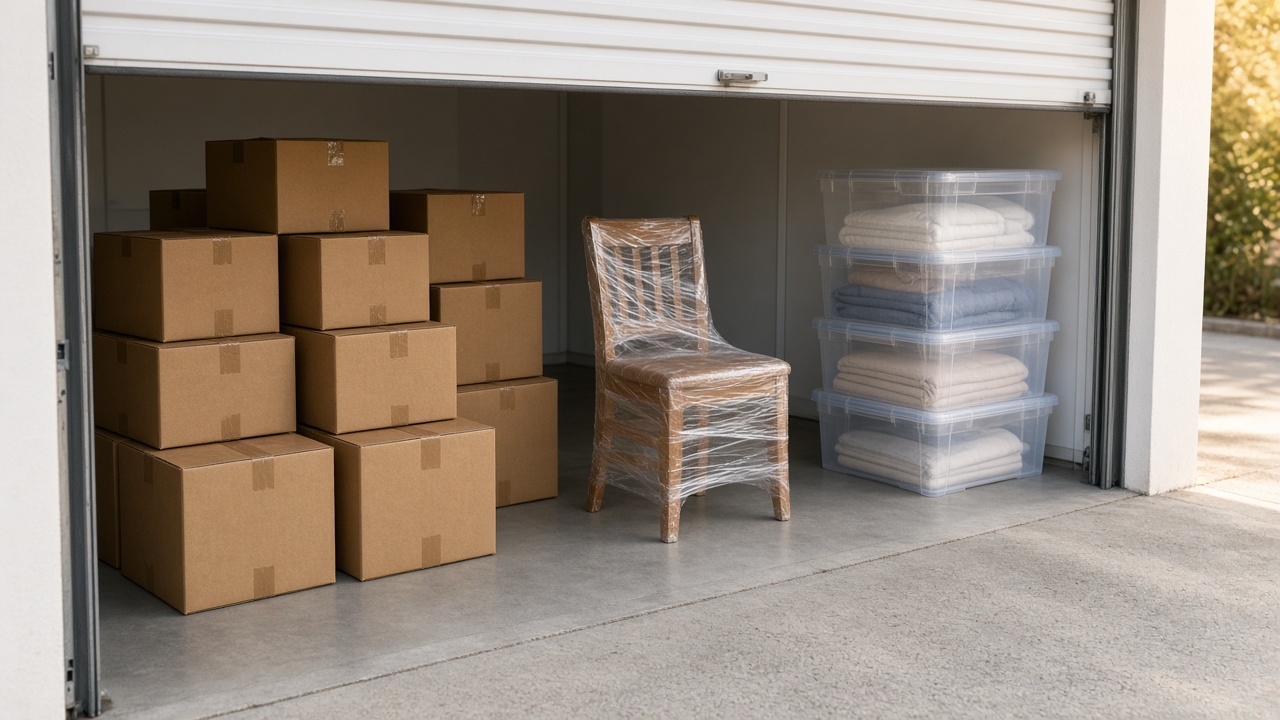
Most of what Pembroke families and small businesses need is welcome: furniture, sealed boxes of household goods, seasonal décor, tools (fuel drained), clean dry appliances, bikes, and similar items.
At Sid’s, every unit is drive-up, ground-floor, and fully enclosed—no elevators or long hallways. Sizes include:
- 5×10: Boxes, seasonal items, a mattress set, and a few small pieces of furniture
- 10×10: A common pick for a one-bedroom apartment or a few rooms
- 10×20: Room for a larger household’s furniture and boxes
We do not offer climate-controlled units or vehicle/RV/boat storage. For household goods between moves—or while you declutter a garage in Pembroke, Ellabell, Richmond Hill, Fort Stewart/Hinesville, Statesboro, or Savannah—our drive-up units are built for exactly that. Not sure what fits? Use the size calculator on our homepage.
Quick Checklist Before You Lock the Door
Before move-in day, run through this short list of what not to store in storage unit leases:
- No fuels, propane, solvents, or chemicals that can ignite or contaminate.
- No food or perishables that attract pests.
- No people, pets, or living plants in the unit.
- No stolen or illegal items—ever.
- No wet or moldy belongings—dry first.
- When in doubt, ask—call (912) 574-4473 or email sid@sidwashere.com and check your rental agreement.
Then pack smart: label boxes by room, put first-need items near the door, and leave a walking aisle. Month-to-month rentals, online bill pay, and autopay keep the admin side easy.
Frequently Asked Questions
Where do Sid’s rules about what not to store in a storage unit come from?
They come from your rental agreement, which you review and e-sign during online rental. For the current list, call (912) 574-4473 or email sid@sidwashere.com.
Can I store a lawnmower or grill?
Usually the equipment itself is fine if it is clean and empty of fuel. Remove propane tanks and gas cans—those fall under common hazardous materials storage prohibitions.
Is food ever allowed?
As a rule, no. Keep food at home or donate what you will not use.
Do you offer climate control or vehicle storage?
No. Sid’s offers drive-up, ground-floor enclosed units in 5×10, 10×10, and 10×20 only. We do not offer climate-controlled units or vehicle/RV/boat storage.
How fast can I rent, and when can I access my unit?
Most people finish online in about five minutes. Your gate code arrives by email for 24/7 access. The lot is gated and well-lit, and entries are logged by code.
Is there a move-in special?
Use promo code MOVEINNOW when you rent online for a first-month offer.
Ready to Store the Right Way? Rent Online Today
Knowing what not to store in storage unit spaces keeps Pembroke neighbors safe. Stick to household goods, follow your rental agreement, and enjoy a clean experience at a locally owned facility.
Sid’s Self Storage sits at 102 W Industrial Blvd, Pembroke, GA 31321, just off GA-119 and about two minutes from I-16 Exit 143. We are locally owned by Sid (formerly Bacon’s Self Storage), with month-to-month terms and 24/7 gate access.
Rent online now in about five minutes, and use promo code MOVEINNOW for your first month. Questions about storage unit rules? See our FAQ, contact us, or call us at (912) 574-4473.
Sources: Modern Storage Media, “Preventing the Storage of Prohibited Items” (Feb. 1, 2018), https://www.modernstoragemedia.com/msm-exclusives/you-cant-store-that ; Inside Self Storage, “Prohibiting the Storage of Hazardous Materials” (April 1, 1998), https://www.insideselfstorage.com/building-materials-components/prohibiting-the-storage-of-hazardous-materials ; Self Storage Association, “Lithium-ion Batteries Pose Hazards for Self Storage Facilities” (June 9, 2026), https://www.selfstorage.org/Blog/ArticleID/398/Lithium-ion-Batteries-Pose-Hazards-for-Self-Storage-Facilities ; U.S. Occupational Safety and Health Administration, “1910.106 — Flammable liquids,” https://www.osha.gov/laws-regs/regulations/standardnumber/1910/1910.106
